Why Rishikesh Is the Ideal Destination for Yoga Teacher Training
Rishikesh has developed into a global center for yoga education, offering well-structured teacher training programs that attract both beginners and experienced practitioners. The city’s reputation is built on its traditional roots, disciplined learning environment, and comprehensive course design. Yoga teacher training in Rishikesh is not limited to physical practice; it is a complete system that prepares individuals for both personal growth and professional teaching.Understanding the Training Framework
Yoga teacher training programs in Rishikesh are typically divided into three levels: 100-hour, 200-hour, and 300-hour certifications. These levels create a step-by-step learning pathway.
The 100-hour course focuses on foundational concepts such as basic postures, breathing techniques, and introductory meditation. It is suitable for those who are new to yoga or want a short-term structured experience.
The 200-hour course is the standard certification required to begin teaching yoga. It provides a detailed understanding of yoga practice, theory, and instructional techniques. This program is the most widely chosen by aspiring yoga teachers.
The 300-hour course is an advanced level designed for individuals who have already completed a 200-hour certification. It focuses on advanced practices, deeper theoretical knowledge, and refinement of teaching skills.
Key Areas of Study
Yoga teacher training in Rishikesh is built around a comprehensive curriculum that covers multiple disciplines.
Asana Practice
Students are trained in traditional yoga styles such as Hatha Yoga and Ashtanga Yoga. The focus is on alignment, posture correction, and controlled movement, helping students build strength and flexibility.
Pranayama
Breathing techniques are taught to improve energy regulation and concentration. These practices are essential for maintaining balance and enhancing performance.
Meditation
Meditation is integrated into daily practice to develop focus, awareness, and emotional stability. Students learn techniques that can be applied both personally and professionally.
Yoga Philosophy
Theoretical study includes classical teachings that explain the ethical and philosophical foundations of yoga. This helps students understand yoga as a complete discipline rather than just physical exercise.
Anatomy and Physiology
Students gain an understanding of how the body functions during yoga practice. This knowledge is important for preventing injuries and ensuring safe instruction.
Teaching Methodology
Practical teaching skills are developed through structured sessions. Students learn how to plan classes, give clear instructions, and adapt practices for different levels.
Daily Routine and Training Discipline
A yoga teacher training program in Rishikesh follows a strict and consistent daily schedule. Mornings typically begin with meditation and pranayama, followed by an asana session. These early practices prepare the body and mind for the day.
After breakfast, students attend theoretical classes covering subjects such as philosophy and anatomy. Afternoon sessions are usually dedicated to workshops, alignment training, and teaching practice. Evenings may include relaxation techniques or self-study.
This disciplined routine ensures that students remain focused and gain maximum benefit from the training.
Residential Learning and Environment
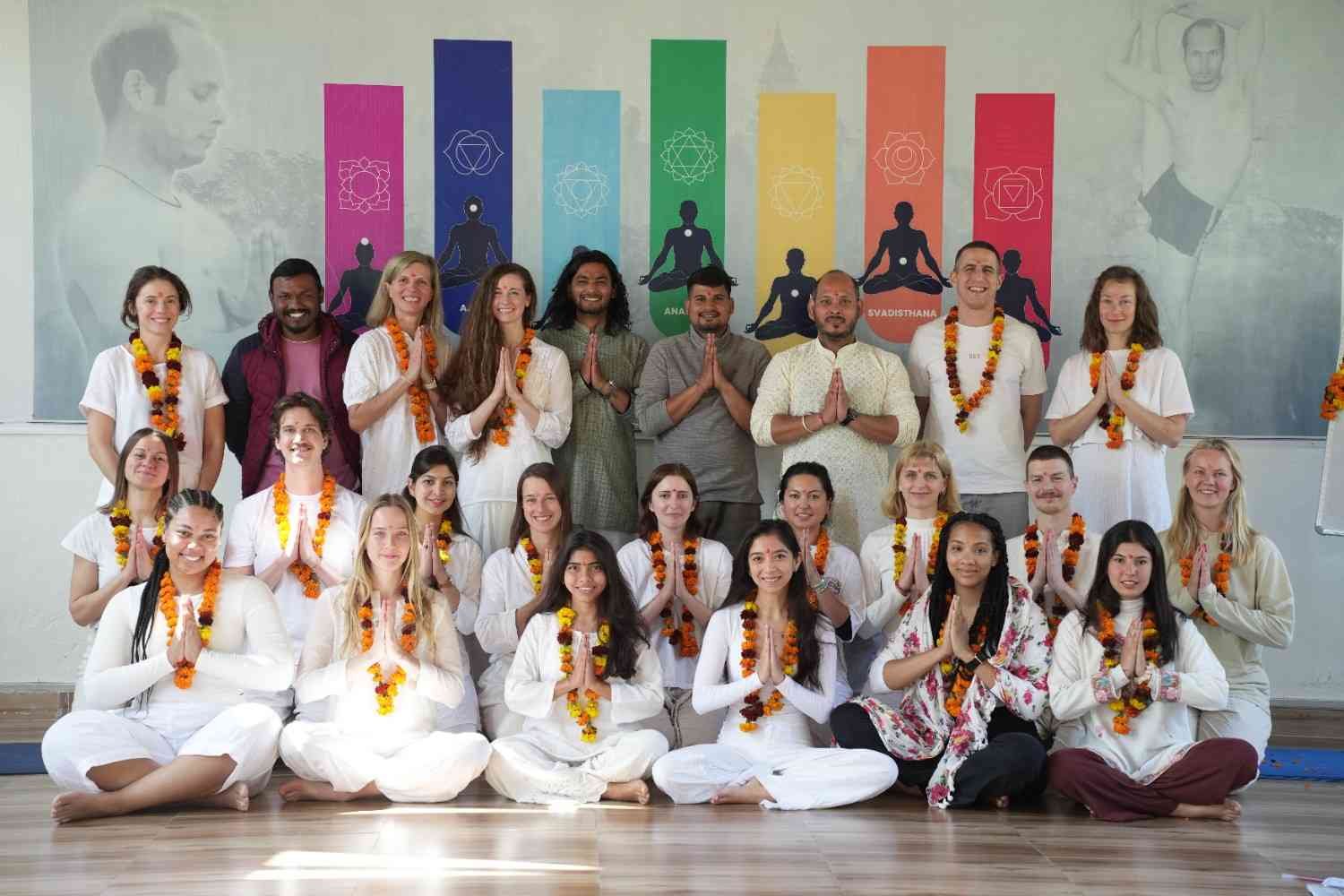
Most yoga teacher training programs in Rishikesh are residential. Accommodation and meals are included, allowing students to fully immerse themselves in the course. The living arrangements are generally simple but comfortable, supporting a distraction-free lifestyle.
Meals are typically vegetarian and aligned with yogic dietary principles. This contributes to both physical health and mental clarity during the training period.
The natural surroundings of Rishikesh create an ideal learning environment. The peaceful Aerial Yoga Teacher Training Course in Rishikesh India atmosphere supports concentration, reflection, and personal development.
Practical Skills and Teaching Readiness
A major focus of yoga teacher training in Rishikesh is practical application. Students are encouraged to practice teaching regularly, receive feedback, and refine their skills.
By the end of the program, students are expected to:
Perform key yoga postures with proper alignment
Understand sequencing and class structure
Communicate instructions clearly and effectively
Modify practices for different student needs
Conduct a full yoga session with confidence
These competencies ensure that graduates are prepared for real-world teaching scenarios.
Career Opportunities After Training
Completing a yoga teacher training course in Rishikesh opens up multiple career paths. Graduates can work in yoga studios, wellness centers, or fitness facilities. Aerial Yoga Teacher Training Course in Rishikesh India Many also choose to offer private sessions or teach online.
Advanced training programs allow for specialization in areas such as therapeutic yoga, meditation, or advanced practice techniques. Some individuals integrate yoga into broader careers in health and wellness.
Conclusion
Yoga teacher training in Rishikesh offers a structured and results-oriented approach to learning. By combining physical practice, theoretical study, and practical teaching experience, these programs prepare students for both personal development and professional teaching. The disciplined routine, comprehensive curriculum, and immersive environment make Rishikesh a leading destination for those committed to mastering yoga.